A Proper Pie Starts with the Filling
Golden pastry might catch your eye, but it’s what’s underneath that really matters.
It’s What’s Inside That Counts
There are few dinners quite as comforting as a proper meat pie.
That first cut through crisp, golden pastry, the steam escaping and a rich filling underneath — particularly when there’s mash and plenty of gravy involved.
But good pastry can only do so much.
A really good pie starts underneath it.
The meat needs to be tender, the gravy needs enough body to hold everything together without becoming stodgy, and — importantly — there needs to be enough filling that you don’t spend the whole meal searching for the meat.
Getting that balance right isn’t particularly complicated. But there are a few things worth knowing.
And seeing as we spent last week talking about slow cooking, this is the perfect place to put some of that knowledge to good use.
Choose Meat That Suits the Pie
For a steak pie, you don’t need the most expensive steak from the butcher’s counter. In fact, you probably don’t want it.
Cuts suited to slower cooking are ideal because the meat has time to become tender while developing plenty of flavour.
Stewing steak, chuck, blade and shin can all work brilliantly depending on the type of pie you’re making.
The important thing is giving the meat enough time.
If you rush the filling and put tough meat underneath beautiful pastry, the pastry isn’t going to save it.
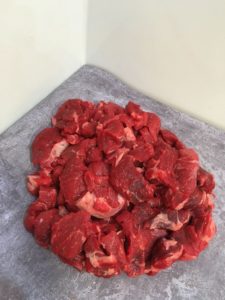
Pieces should also be reasonably generous. Nobody wants a steak pie where the meat has disappeared into tiny shreds.
You should know when you’ve found a piece of steak.
Brown the Meat First
Technically, you can put everything into a pot and cook it.
But if you’ve got an extra ten minutes, brown the meat first.
Do it in batches rather than crowding the pan. You’re looking for a good colour on the outside rather than trying to cook it all the way through.
Once the meat is browned, soften your onions in the same pan.
Those sticky brown bits left behind are exactly what you want. Add your stock and scrape them from the bottom so all that flavour ends up where it belongs — in the filling.
A little effort here gives you a much richer base before the pie has even gone near the oven.
The Gravy Matters Just as Much
We’ve talked about gravy quite a lot recently, but in a meat pie it’s especially important.
Too thin and the filling runs everywhere as soon as you cut into it.
Too thick and you lose that lovely rich sauce around the meat.
You want something somewhere in the middle: a gravy with enough body to cling to the meat but still enough movement to spread across the plate.
Good beef stock gives you the base. Onions add sweetness, while Worcestershire sauce can bring extra savoury depth. A little ale or red wine can work beautifully too, although neither is essential.
And don’t forget that the gravy will continue to change as the filling cooks and cools.
Let the Filling Cool
If you’re putting pastry onto a pie at home, don’t pile it straight onto a piping-hot filling.
Hot filling starts warming and softening the pastry before the pie even reaches the oven.
Ideally, make your filling ahead and let it cool properly before adding the pastry. You can even make it the day before and keep it chilled.
There’s another bonus to doing that.
Just like the slow-cooked dishes we talked about last week, a pie filling can taste even better after it’s had time to sit. The flavours settle, the gravy thickens and everything comes together.
Then all you have to do is add the pastry and bake.
Less work at dinner time isn’t exactly a bad thing either.
Puff or Shortcrust?
Now we’re getting into dangerous territory.
Both have their place.
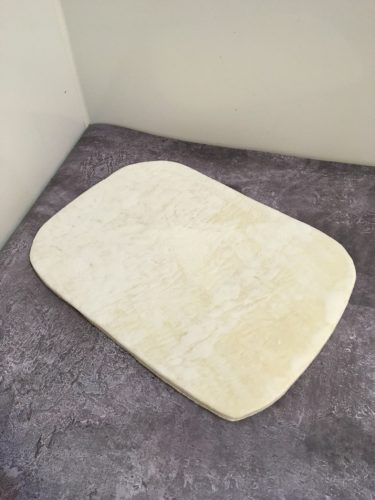
Puff pastry gives you that light, flaky, golden top that rises beautifully in the oven. It’s particularly good for steak pies and other rich, gravy-based fillings.
Shortcrust is sturdier and works particularly well when you want pastry around the base and sides as well as over the top.
Whichever you choose, don’t roll it unnecessarily thin. You want enough pastry to give you a proper contrast with the filling underneath.
A little beaten egg brushed over the top before baking gives it that deep golden finish.
And always make a small hole or slit in the top to allow some of the steam to escape.
Otherwise your beautifully assembled pie may decide to find its own way out.
Top Only or Pastry All the Way Round?
This might divide the room.
For some people, a dish of steak and gravy with a puff pastry lid is absolutely a pie.
For others? If it doesn’t have pastry underneath, it doesn’t count.
We’re not going to attempt to settle that argument.
A pastry lid works particularly well with rich, gravy-heavy fillings and keeps the whole thing a little lighter.
A fully encased pie gives you more pastry, a firmer structure and those coveted corner pieces where the pastry gets particularly crisp.
Neither is wrong.
Although we’re fairly certain plenty of people reading this will have very strong feelings about it.
It’s Not Just Steak
Steak pie might be one of the classics, but once you’ve got the basic method right, there are plenty of other fillings worth trying.
Chicken, bacon & leek works beautifully with a creamy sauce and plenty of black pepper.
Slow-cooked lamb makes a rich filling with rosemary, onions and a little stock.
Chicken and mushroom is a classic for a reason.
Pork works well with cider, onions and herbs, while leftover roast meat can often be turned into an excellent pie the following day.
The principle remains the same whatever goes underneath the pastry: good meat, plenty of flavour and a sauce that’s thick enough to hold everything together.
Don’t Forget the Sides
A proper pie deserves proper sides.
Creamy mash is difficult to beat, particularly when there’s enough gravy to find its way into it.
Peas are a classic. Carrots work. Turnip works brilliantly too.
Chips? We’re certainly not going to object.
And if there’s extra gravy, put it on the table. A pie dinner is not the occasion to start rationing it.
There will always be someone who wants more.
A Pie Worth Waiting For
There isn’t really a shortcut to a great meat pie.
The pastry matters, of course, but underneath it is where the real work has happened.
Choose meat suited to slower cooking. Give it enough time to become properly tender. Build a rich gravy around it. Let the filling cool and only then give it its pastry lid.
Simple ingredients, treated properly.
And when that golden pastry finally comes out of the oven, there should be no wondering where all the meat went.
Because whatever side you take in the lid-only versus pastry-all-the-way-round debate, surely we can all agree on one thing:
A proper pie should never be short on filling.